
Advocacy is not always the first thing that comes to mind when students think about physical therapy. But on April 23, students and clinicians gathered at Northern Illinois University’s Wellness and Literacy Center to explore how policy decisions made far beyond the clinic can directly shape patient care, professional practice and the future of the profession.
Sponsored by the Illinois Physical Therapy Association (IPTA) and hosted by NIU’s Doctor of Physical Therapy (DPT) program, “Dough & Dialogue: National Advocacy Dinner” welcomed 35 attendees for an evening focused on the growing importance of advocacy in physical therapy. Through conversation, presentations and networking, students gained insight into how legislation, reimbursement and healthcare policy influence access to care and outcomes for patients.
“Advocacy dinners are important because they help students understand that advocacy is directly connected to patient care,” said DPT student Megan Sapita, who helped organize the event. “As students, we spend so much time learning clinical skills, but events like this show us how legislation, reimbursement and policy decisions can impact what we are actually able to do for our patients.”
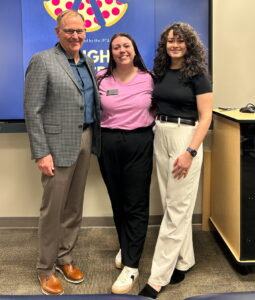 The event featured presentations from two experienced physical therapists and leaders in the profession. Kathryn Brito presented “Beyond the Bedside,” demonstrating how decisions made in policy spaces directly influence patient outcomes. Drawing from real-world examples, Brito discussed barriers to care including delays in services and reimbursement limitations while highlighting the importance of both formal and everyday advocacy efforts.
Kenneth Olson presented “Advocacy and Professional Development,” sharing insights from his national and international advocacy experience. Olson discussed the long-term impact advocacy can have on shaping the profession while also addressing burnout in physical therapy and strategies that support sustainability and professional growth.
“One of the biggest things I gained from this experience was a better understanding of how many opportunities there are to get involved in advocacy at both the state and national levels,” Sapita said. “Hearing from experienced clinicians and leaders in the profession made advocacy feel much more approachable and emphasized that even small efforts can make a meaningful impact.”
Throughout the evening, attendees were encouraged to stay informed on legislative issues, become involved with advocacy initiatives and pursue leadership opportunities through organizations such as the IPTA and the American Physical Therapy Association.
“It was really rewarding to be able to organize an event like this and see students genuinely engaged in the conversations,” Sapita said. “I think having opportunities for students to interact with professionals who are actively involved in advocacy and leadership helps make those roles feel more attainable. I think we all left feeling excited about the future of physical therapy.”
Deana Herrman, assistant professor of physical therapy, said Sapita’s efforts to coordinate the event were commendable.
“I appreciate Megan’s hard work organizing the event to educate her fellow students and the PT community in DeKalb about the history and importance of professional advocacy,” Herrman said. “Events like these are useful to help grow and sustain the profession.”
Learn more about physical therapy at NIU.
