
For many families in DeKalb, a simple conversation about child development can make all the difference. Through a growing partnership between Northern Illinois University speech-language pathology graduate students and local organizations, those conversations are now happening in both English and Spanish, helping families feel informed, supported and connected.
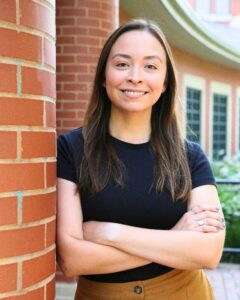
Since February, bilingual speech-language pathologist and NIU Clinical Assistant Professor Bridgett Golz has led a team of graduate students in hosting monthly bilingual family workshops alongside Community Coordinated Child Care, known as 4C, and the Early Learning Development Center in the DeKalb School District. The workshops focus on communication development, parent education and language enrichment strategies for young children.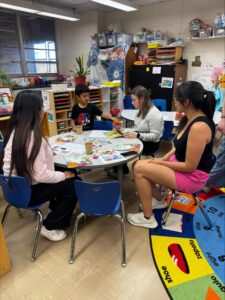
“Opportunities like the bilingual parent workshop are important because of the community it builds between our SLP graduate student team, NIU and the DeKalb community,” Golz said. “Experiences like this can directly impact their confidence and preparedness in their future careers.”
The workshops combine presentations on topics such as bilingualism and speech-language development with hands-on activities where families and children practice communication strategies together. Graduate students help model language facilitation techniques while families leave with books, resources and practical tools they can use at home.
That real-world learning experience has also become a meaningful extension of the classroom for students in NIU’s speech-language pathology graduate program.
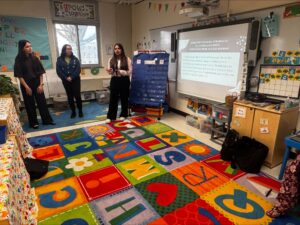 “Being part of the bilingual parent workshop has been incredibly rewarding, but what I valued most was connecting with families in the community,” said Jessica Meza, a first-year speech-language pathology graduate student. “Participating in the workshop has allowed me to put classroom knowledge into practice, particularly concepts related to bilingual language development.”
The collaboration reflects a broader effort to strengthen connections between the university and the community while increasing access to services for local families. Golz said the workshops also help families feel more comfortable asking questions about their child’s communication development and seeking support when needed.
In many cases, those conversations continue after the workshops end.
“I was surprised at the number of caregivers that reached out to us afterwards to inquire about their child’s speech and language skills,” said Sydney Olson, a first-year graduate student. “By providing this information to others, we are spreading awareness and offering outreach education to communities we could potentially serve on a daily basis.”
As the workshops continue to grow, students are gaining experience not only as clinicians but also as advocates and community leaders. Golz said students are involved in every stage of the process, from planning presentations to creating activities that make information accessible and engaging for families.
The experience has been especially meaningful for students interested in working with multilingual communities.
“I enjoyed being able to connect with families in Spanish and help create a comfortable, supportive environment,” said Jasmin Aviles. “It was meaningful to provide information in families’ home language, especially given the ongoing need for bilingual clinicians.”
The partnership among NIU, 4C and the Early Learning Development Center continues to expand each month during the school year, creating opportunities for families to learn more about child development while giving graduate students valuable hands-on experience before entering the profession.
For Golz, the workshops represent more than professional training. They reflect a shared commitment to service, collaboration and community impact.
“Families in the community are able to learn more about child development and ask questions they have about their child in a safe environment,” Golz said. “That can directly impact their confidence and comfortability to advocate for their child and access services and supports earlier.”
Learn more about SLP at NIU.
