
What happens when you step outside the classroom and into a country where well-being is woven into daily life? For students on NIU’s “Discover Japan” program, the answer lies in the blend of mindfulness, medicine, green technology, and tradition they experienced firsthand—from lab visits to temple walks.
Led by Tomoyuki Shibata, a professor of public health at Northern Illinois University and visiting Ppofessor at Azabu University in Japan, the study abroad program offers students an interdisciplinary journey into one of the world’s healthiest societies.
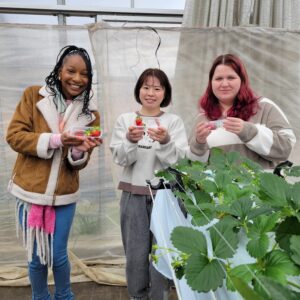 “Japan provides an unparalleled classroom,” Shibata explained. “Its harmonious integration of advanced technology, cultural heritage, and sustainability offers lessons that go far beyond conventional health science.” Students gain real-world insights by engaging with local experts, exploring public health systems, and learning about green innovation and disaster preparedness.”
At the heart of the program is the One Health approach taught at Azabu University, which examines the vital connection between humans, animals, and the environment. The experience encourages students to break free from academic silos and explore how interdisciplinary collaboration drives global well-being. 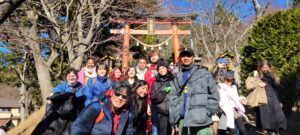
Professor Shibata sees this as more than an academic opportunity.
“I want students to cultivate a holistic understanding of health—recognizing its cultural, ecological, and spiritual dimensions. From mindfulness in a temple garden to the animistic values seen in everyday life, Japan teaches us that well-being isn’t just individual, it’s collective.”
For Daisy La Rosa, an NIU student who participated in the program, the experience was eye-opening.
“Take it so you can learn about the sustainable development goals of the United Nations and how Japan is reaching those goals,” she said. “I learned valuable skills through experiencing a state-of-the-art disaster preparedness center. Most importantly for me, I loved being able to interact with locals from Japan and really learn more about their culture.”
In addition to academic excursions, the program includes unstructured time for exploration—allowing students to connect with peers from NIU and Japan, deepen cross-cultural friendships, and reflect on their personal journeys.
Shibata believes opportunities like this are critical to shaping the next generation of global changemakers.
“Health is a human right, but not universally recognized,” he said. “By stepping into societies that live their values of sustainability and well-being, students come back not just educated—but inspired to act.”
Learn more about opportunities to study abroad at NIU.
