
Evolving as a leader in efforts to increase accessibility, NIU piloted a new wayfinding system that benefits all Huskies, especially those who are blind or visually impaired.
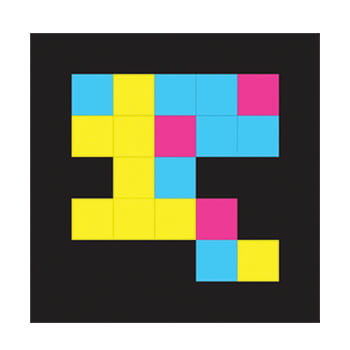
The wayfinding system allows students, faculty, staff and visitors to hear key information and navigate their way through campus through the use of smartphones, posted QR codes and a free app called NaviLens.
The NaviLens program help individuals find restrooms, stairs, elevators, emergency exits, computer labs, auditoriums, points of interest and other services in buildings. The wayfinding system greatly benefits those who are blind or visually impaired because it scans an area for QR codes and audibly directs a person to various locations.
Funded by NIU’s Affirmative Action and Equal Opportunity, the program aligns with Goal Three of NIU’s Strategic Enrollment Plan to “support equitable access, opportunity and success for students from diverse backgrounds where diversity is broadly defined.”
“The system is really for everyone, to foster independence in navigating the campus,” said Linda Kocjan, acting director of ADA Accommodations and Special Programs. “We’re hoping that anyone who needs to find their way on campus will feel invited to utilize the NaviLens system. The effort reflects NIU’s long-standing tradition of providing access, as well as the university’s commitment to ensuring an environment where all Huskies and visitors feel welcome and comfortable.”
Efforts are underway to post the colorful QR codes at buildings throughout campus. The program’s first phase included a number of high traffic buildings and areas where Huskies with visual impairments may visit, including Wirtz Hall and the Wellness and Literacy Center. The list of buildings continues to grow.
NaviLens was developed by a partnership between the Mobile Vision Research Lab at the University of Alicante in Spain and the Spanish technology company Neosistec. It has been used by various cities around the world in places like train stations and airports and on street signs, as well as in hotels, museums, hospitals, associations for the visually impaired, schools and more.
NIU is pioneering the use of NaviLens codes on university campuses in the United States, said Oran McAllister, client engagement officer for NaviLens.
“By adding the NaviLens codes on campus, NIU is joining the ever strengthening fight for accessibility and is sending a strong message to the rest of the educational world that they are prepared to do what is necessary to welcome everyone to their site,” he said.
“University campuses can be overwhelming locations for anyone, but this is magnified many fold for someone with low vision—not only for wayfinding around campus, but also accessing important information pertaining to onsite news and notifications in addition to relaying course and class updates,” McAllister said. “Educational establishments were created to prepare their students for the future, and NIU is not stopping short of paving the way for the next generation.”
Anyone on campus can open the app and scan the area round them. When the app detects a QR code, it announces and displays the information in the code and the distance from it.
The free NaviLens app will detect the codes from up to 40 feet away, even if you are moving, at an angle to the code and in low lighting. Unlike GPS wayfinding systems, NaviLens works indoors as well as outdoors. The app automatically delivers the code information in the language of the phone, making it even more accessible to a diverse range of people.
“It helps anyone in an unfamiliar building find services and locations, like new students or visitors,” Whitelaw said. “People with visual disabilities can find these areas in a building without assistance.”
-NIU Today
